
The Most Revealing Diary Study May Already Exist: AI Chat Logs
I'm planning a new study and would love your thoughts. The goal is to document how everyday people, not corporations, not legal teams, use AI to think, decide, and prepare, in real time, when facing a six-figure legal battle, what they understand about the record they're creating, and how those findings can inform future research, attorney counsel, and AI platform privacy practices.
Think $100k–$250k personal injury or employment disputes. Real money. Real stakes. No army of lawyers, or at least, not one they fully trust or understand.
𝗣𝗿𝗶𝗺𝗮𝗿𝘆 𝗿𝗲𝗰𝗿𝘂𝗶𝘁𝗶𝗻𝗴 𝗰𝗿𝗶𝘁𝗲𝗿𝗶𝗮:
Californians involved in a personal injury or employment dispute who are using AI alongside their attorney to ask questions, test arguments, organize docs, and sense-check decisions.
𝗧𝗵𝗲 𝘀𝘁𝘂𝗱𝘆 𝗵𝗮𝘀 𝘁𝘄𝗼 𝗽𝗵𝗮𝘀𝗲𝘀.
𝗣𝗵𝗮𝘀𝗲 𝟭: 30–40 participants share 60 days of AI chat logs, a real-time record of their thinking, in their own words, as it happened. Half actively involved in ongoing cases. Half recently resolved theirs.
𝗣𝗵𝗮𝘀𝗲 𝟮: 16–24 participants selected from Phase 1 for interviews exploring how they used AI and how their thinking evolved.
It's a study built around a known, but not often enough discussed, contradiction: 𝘁𝗵𝗼𝘀𝗲 𝗰𝗵𝗮𝘁 𝗹𝗼𝗴𝘀 𝗮𝗿𝗲 𝗻𝗼𝘁 𝗽𝗿𝗶𝘃𝗮𝘁𝗲.
At some point, they become discoverable. Not interpreted, not summarized, RAW. The same chats that helped someone prepare their case could be used against them in it.
This isn't hypothetical. AI logs are already being subpoenaed, appearing in court filings, and cited as primary evidence.
We treat AI like a therapist, a lawyer, a confessor. All platforms. No exceptions.
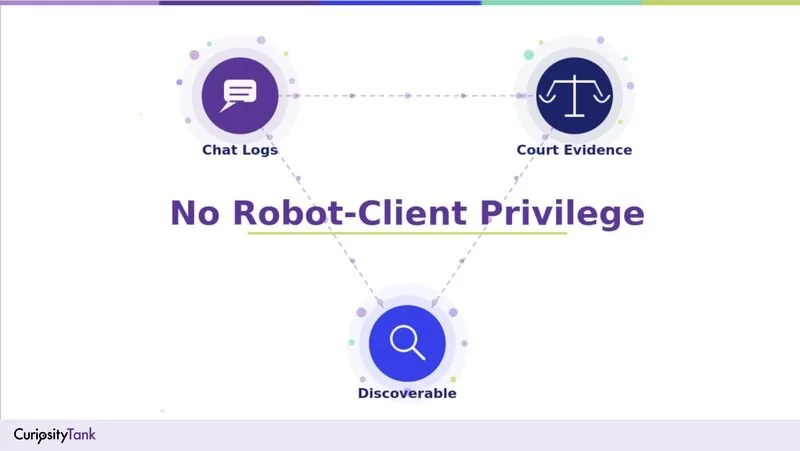
𝗧𝗵𝗲𝗿𝗲'𝘀 𝗻𝗼 𝗿𝗼𝗯𝗼𝘁-𝗰𝗹𝗶𝗲𝗻𝘁 𝗽𝗿𝗶𝘃𝗶𝗹𝗲𝗴𝗲.
No confidentiality agreement. Nothing protects what you type from a court order. Emails and Slack messages are discoverable. AI chat logs are too, except the intimacy, scale, and stakes are different. People aren't just asking AI to draft emails. They're thinking out loud, confiding things they'd never say to another human, and documenting their journey in real time without realizing it.
Here's what I keep thinking about as a researcher: 𝘁𝗵𝗮𝘁 𝗿𝗲𝗰𝗼𝗿𝗱 𝗶𝘀 𝗮𝗹𝘀𝗼 𝗮𝗻 𝗲𝘅𝘁𝗿𝗮𝗼𝗿𝗱𝗶𝗻𝗮𝗿𝘆 𝘄𝗶𝗻𝗱𝗼𝘄 𝗶𝗻𝘁𝗼 𝗵𝘂𝗺𝗮𝗻 𝗱𝗲𝗰𝗶𝘀𝗶𝗼𝗻-𝗺𝗮𝗸𝗶𝗻𝗴.
Soon, people will voluntarily share their chat logs as a new kind of evidence, artifact, and diary study, richer and more unfiltered than anything we've seen before. But researchers and lawyers may not always need to ask. The logs are already surfacing in court filings, in discovery, in lawsuits.
𝗤𝘂𝗮𝗹𝗶𝘁𝗮𝘁𝗶𝘃𝗲 𝗿𝗲𝘀𝗲𝗮𝗿𝗰𝗵 𝗶𝘀 𝗮𝗯𝗼𝘂𝘁 𝘁𝗼 𝗴𝗲𝘁 𝗮 𝗹𝗼𝘁 𝗺𝗼𝗿𝗲 𝗶𝗻𝘁𝗲𝗿𝗲𝘀𝘁𝗶𝗻𝗴. 𝗔𝗻𝗱 𝗮 𝗹𝗼𝘁 𝗺𝗼𝗿𝗲 𝗰𝗼𝗺𝗽𝗹𝗶𝗰𝗮𝘁𝗲𝗱.
The study was fictional. The data trail isn't. And the implications for society?
We're just getting started.
