Friction is the new luxury. Research decides which kind.
The race to remove friction is endless. Faith Popcorn, a wildly well-regarded futurist, thinks we'll pay to get it back.
I've followed Faith since my Nordstrom innovation group days, before Y2K.
(Haven't seen that term in a while. Have you?!)
Her latest Popcorn Report is a short story set in 2035. The main character is named Sable. She's 43, and enhanced with brain chips and an eye lens that make every day faster and smoother. On Fridays, she flips a physical switch and turns them off.
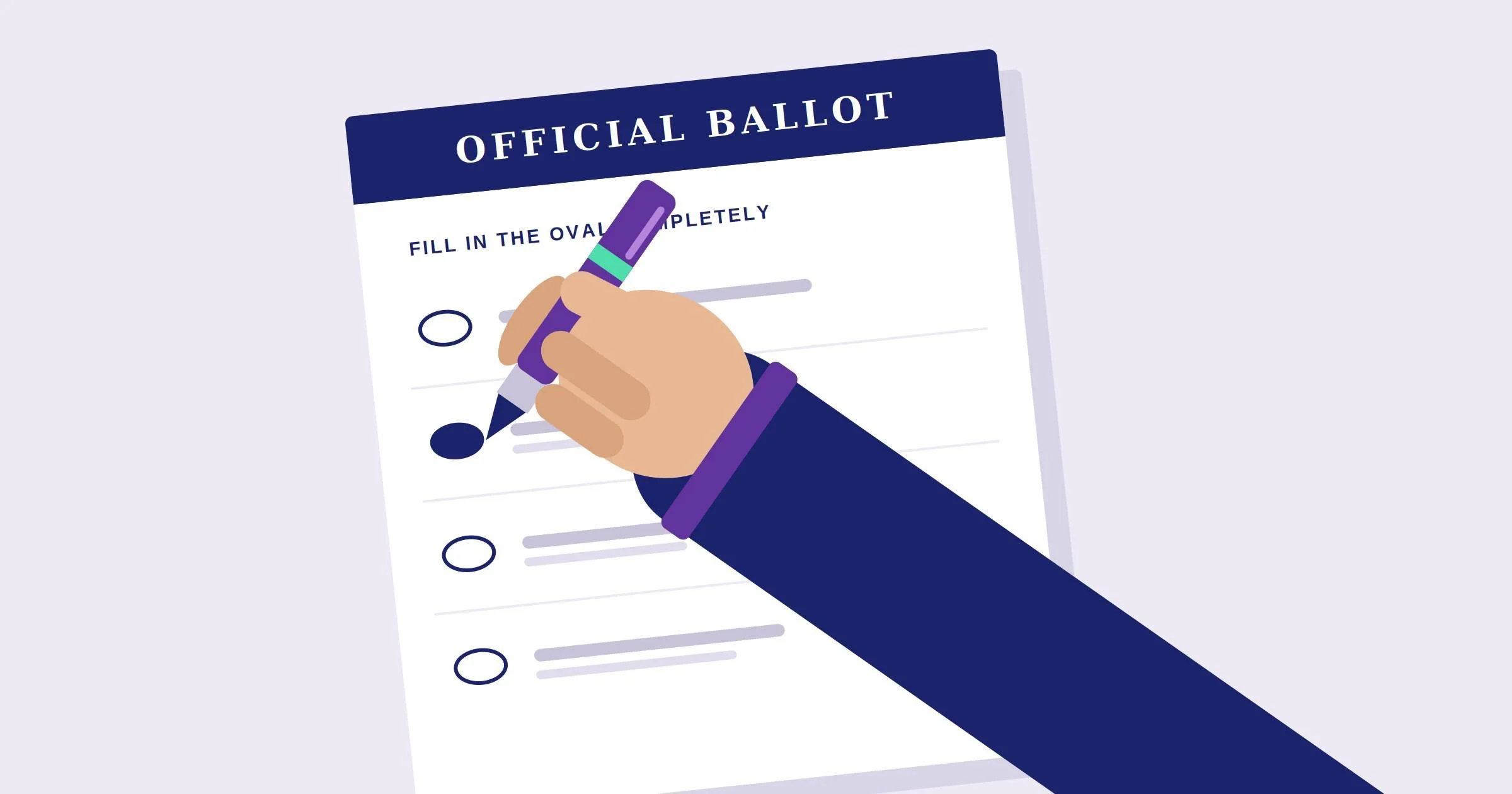
Her best hours are "unenhanced." She sees one of the last doctors in Columbus, Ohio, who still examines patients by hand, even though her health data was sent to them both automatically hours earlier. She casts a paper ballot instead of letting her profile vote for her, because profiles can be quietly nudged to flip a vote. Her best friend flies in, in person, and proposes they have a baby, made possible by combining their skin samples in a lab. Every one of those experiences costs Sable time and money, and requires thinking.
Faith calls this The Human Premium.
In her words, "friction may be the last proof we are alive." In her future, optimization is the default. Staying unoptimized is what you pay for.
It's fiction. The tension isn't. I've lived it.
In 2003, on Bank of America's innovation team, I worked on improving the teller line experience. One research takeaway hit me over the head like a hammer. People who filled out their deposit slip before getting in the teller line felt cheated when the person ahead of them hadn't, and then filled it out at the teller window instead.
Yes, the wait mattered. But feeling "cheated" mattered more. It was moral.
So we worked both sides. We designed writing stations inside the teller line so people could fill out deposit slips without losing their place. And we tackled perceived wait time with dynamic point-of-sale reels on monitors above the teller windows. They taught people financial concepts while they waited, like what a FICO score is and why it matters.
I was designing store experiences and digital experiences at the same time. I solved for the problem, not the medium.
We didn't erase the friction. We made the experience fairer, and we gave it meaning.
Today, I cannot remember the last time I stood in a teller line. Can you? Mind you, that was less than 20 years ago. Branches are closing. Deposits happen on a phone. The friction is gone. But the foundational question under it is not: who pays for friction, and what makes it worth paying?
That's where research belongs in Faith's future. Not as the premium human ritual. As the discipline that decides which friction is worth keeping.
Read her article closely. Research is all over it:
The vote. Sable's profile would have voted the way she did this time. Will it next time? Someone has to measure the drift between what the agent chooses and what the person would.
The shopping. Her house-bot drops entire brands from her list. The buyer those brands need to understand is now a machine, not a human.
The doctor. Nobody has figured out how to measure empathy. And once it becomes "a field on a form," it gets optimized, and stops being the thing people paid for.
There's a catch, and it's in the doctor's office. Sable and her doctor both know the stethoscope is theater. If we sell human-led research as the luxury tier, budget owners will hear "cuttable."
The stronger case: research tells you which human experiences and slices of time are worth paying for. Which friction proves you're alive, and which just proves your process is broken.
The next frontier isn't removing friction. It's studying which levels of friction are right for which people, in which situations. We were doing that in a teller line in 2015. In Faith's future, the machines want that job. I say researchers keep it. In ink.
Stay Curious,
Michele
P.S. Yes, Faith Popcorn is her real name. She was born Faith Plotkin, and an art director at one of her first ad agency jobs renamed her. She made it legal and never looked back.
Speak up, get involved, and share the love!
Connect with Michele on LinkedIn for more UXR tips and UX discussions.
Read about Curiosity Tank workshops.
Interested in team user research training? Let us know!
Participate on-demand for less.
Dive into a different UX Research term every week! Sign up for UX Lex weekly emails here.
Forward this email to someone you think might enjoy it. Better yet, sign them up here. It will be the gift that keeps on giving.
