
The Future of UX Research Is Tangible
Stop recommending. Start showing.
For a long time, the job was clear: do the research, put it in a deck, try to influence what gets built. Recommendations were the finish line.
Here's the beef. Recommendations require someone else to prioritize them, hand them to design, and interpret what you meant. Three places for the insight to get lost before anything gets built.
Building removes two of those three.
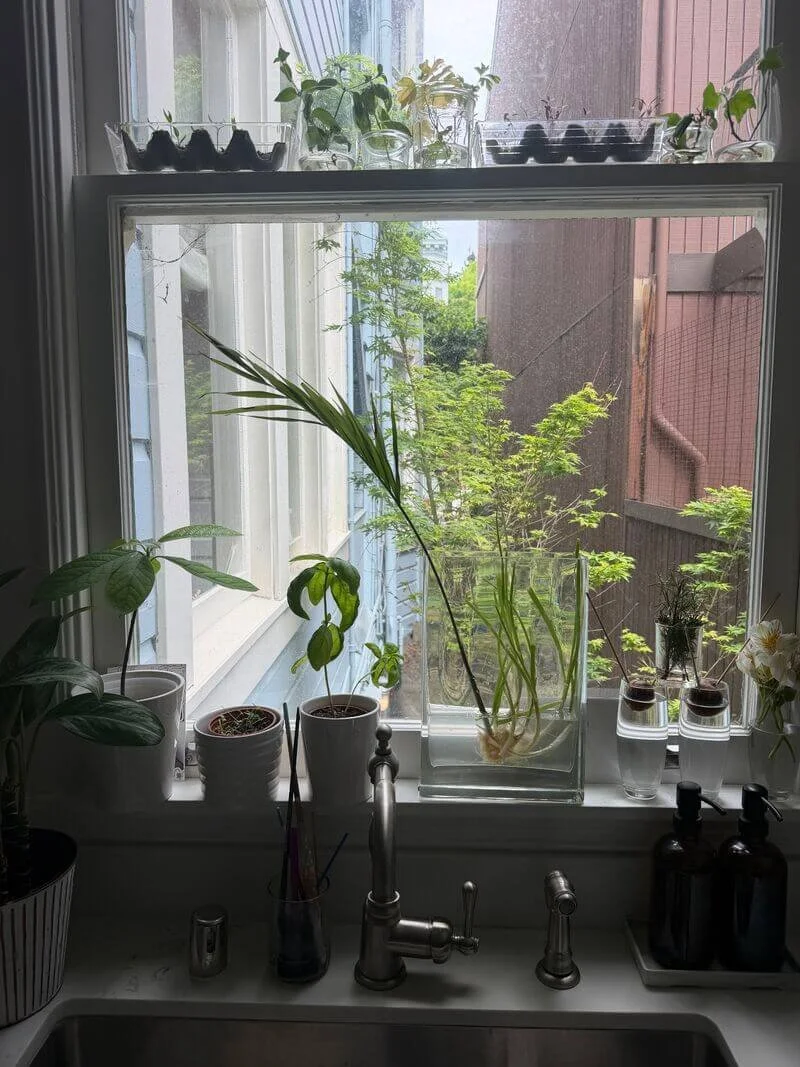
I've always been a tinkerer. I just propagated herbs from stems and am growing bell peppers from counter scraps. It was easier than I thought. I bedazzle my board game covers and still love Legos. Theme parties? I'm your gal.
Building isn't a job function for me. It's just how I think.
What's changed is the gap between idea and artifact. It used to require a whole team and a budget. Now it mostly requires an afternoon and sometimes a south-facing window.
And I still see strong thinking that ends waaaay too soon. Not because it's wrong. Because it stops at the recommendation.
"Here's what we should do."
Ummmm. Okay. But what does it actually LOOK LIKE?
Building answers that. It also humbles you quickly. Trust me! You see where things break, what doesn't translate, what people actually interpret versus what you intended.
The researchers I see struggling most with this shift aren't the ones who lack the skills. They're the ones for whom making something feels like taking a side. Academic training optimizes for rigor, neutrality, defensibility. A report can be qualified. A build is a claim.
That's exactly why it works.
That's also the difference between vibe coding (let's see what happens) and "I already know what this should look and feel like."
Researchers bring the second thing. That's NOT a small advantage. That's the WHOLE advantage.
The question isn't whether researchers should make things. It's: what's the first recommendation you're willing to make tangible?
